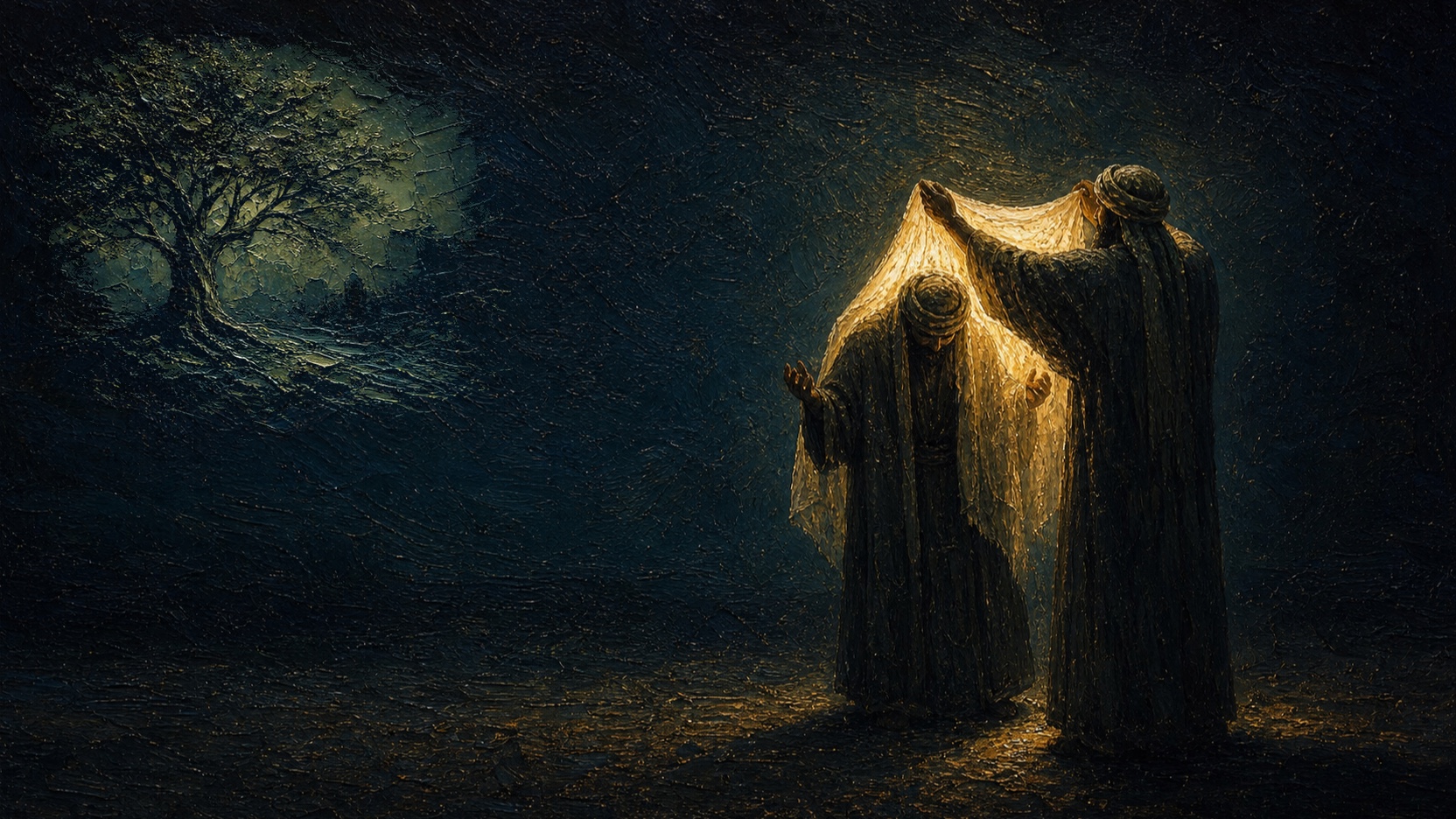
Back to the Mountain
Our Parsha starts on the eighth day.
Without knowing anything else — without looking at a single commentary, without reading any other verses — we can already know two things from that fact alone.
First, there were seven days before this.
Second, the number eight carries weight. It always carries weight in the Torah.
And if we want to begin to understand our Parsha, then we need to start by understanding these two facts.
What were these seven days about?
And why specifically did this "dedication" happen on the eighth day?
And that is going to take us on a journey.
A journey that will take us back to Sefer Shemos — to the time that Moshe Rabbeinu was with Hashem, on Har Sinai, getting the Torah.
And it will then continue to the beginning of Sefer Vayikra — to the moment when Hashem called out to Moshe.
And it will venture again until last week's Parsha — and the various "Torot" that Aharon and his sons were given.
And then, it will end up here — the very verse that sent us on this journey in the first place.
And along the way, we'll take a detour to one of our favorite destinations — Gan Eden.
And we'll even get to the Sneh (again).
Or, put otherwise — buckle up. We're going for a ride.
We are once again on the mountain.
Well, truth be told, we are at the foot of the mountain. Moshe Rabbeinu is on the mountain itself, receiving the blueprints and the plan for the Mishkan.
First topic, funding.
Second topic, the essential "kelim" — the Aron HaKadosh, the Shulchan and the Menorah.
Third topic, the structure of the Mishkan — the tents, the beams, the courtyard and more.
And then, our topic... Well, almost.
First, for some reason, we need to take a couple of lines to talk about oil. Olive oil in particular. For the Menorah if you want to be really exact:
וְאַתָּ֞ה תְּצַוֶּ֣ה ׀ אֶת־בְּנֵ֣י יִשְׂרָאֵ֗ל וְיִקְח֨וּ אֵלֶ֜יךָ שֶׁ֣מֶן זַ֥יִת זָ֛ךְ וכו׳
And you shall command the children of Israel, that they bring to you pure olive oil...
Now this is strange. Not the topic itself. But the placement. We just had a whole section about the Menorah. Why not mention the oil then, when it was relevant?
Why wait and (seemingly) randomly insert it here — between the courtyard and the clothing?
I don't know, but I have an idea.
And it has nothing to do with the courtyard.
And nothing to do with the candles.
And probably nothing to do with the clothing either.
But it does have something to do with the man who wears those clothing. I.e., Aharon.
You see, until now, the Mishkan was about "things".
Holy things.
Beautiful things.
Important things.
But things nonetheless.
But now, we are going to transition into people.
Holy people.
Beautiful people.
Important people.
The Kohanim with their honorable and magnificent clothing (לְכָב֖וֹד וּלְתִפְאָֽרֶת).
And so, we hold off on the oil because it is Aharon and his sons who will be the ones who will be lighting the Menorah. And, as such, they will be the ones who will set up the Menorah — oil and all.
And so, we mention the oil which enables us to mention Aharon, which enables us to transition to the people of the Mishkan:
וְאַתָּ֞ה תְּצַוֶּ֣ה ׀ אֶת־בְּנֵ֣י יִשְׂרָאֵ֗ל וְיִקְח֨וּ אֵלֶ֜יךָ שֶׁ֣מֶן זַ֥יִת זָ֛ךְ כָּתִ֖ית לַמָּא֑וֹר לְהַעֲלֹ֥ת נֵ֖ר תָּמִֽיד׃ בְּאֹ֣הֶל מוֹעֵד֩ מִח֨וּץ לַפָּרֹ֜כֶת אֲשֶׁ֣ר עַל־הָעֵדֻ֗ת יַעֲרֹךְ֩ אֹת֨וֹ אַהֲרֹ֧ן וּבָנָ֛יו מֵעֶ֥רֶב עַד־בֹּ֖קֶר לִפְנֵ֣י יְהֹוָ֑ה חֻקַּ֤ת עוֹלָם֙ לְדֹ֣רֹתָ֔ם מֵאֵ֖ת בְּנֵ֥י יִשְׂרָאֵֽל׃
Shemos · 27:20-21And you shall command the children of Israel, that they bring to you pure olive oil, beaten, for the light — to cause the lamp to burn always. In the Tent of Meeting, outside the curtain which is before the Testimony, Aharon and his sons shall arrange it from evening to morning before Hashem — a statute forever, for their generations, from the children of Israel.
Now, we may not find this particularly interesting, but perhaps that just indicates a certain lack of sensitivity we have to the issue.
Who says that a Mishkan has to have Kohanim.
Who says that anyone has to be in charge.
Who says it can't be more "democratic"?
Evidently, G-d.
And that is interesting.
Why?
Good question (I think).
And we'll have to wait for a good day for (hopefully) a good answer.
For now, though, let's just note this as a fact.
There needs to be someone who is in charge.
Someone who does the avoda.
And that someone is not Moshe. The man on the mountain will not be the man of the Mishkan.
He can bring us out of Egypt.
He can bring down the manna.
He can bring down the Torah.
But he can't offer up the korbanot.
Or can he?
Let's find out.